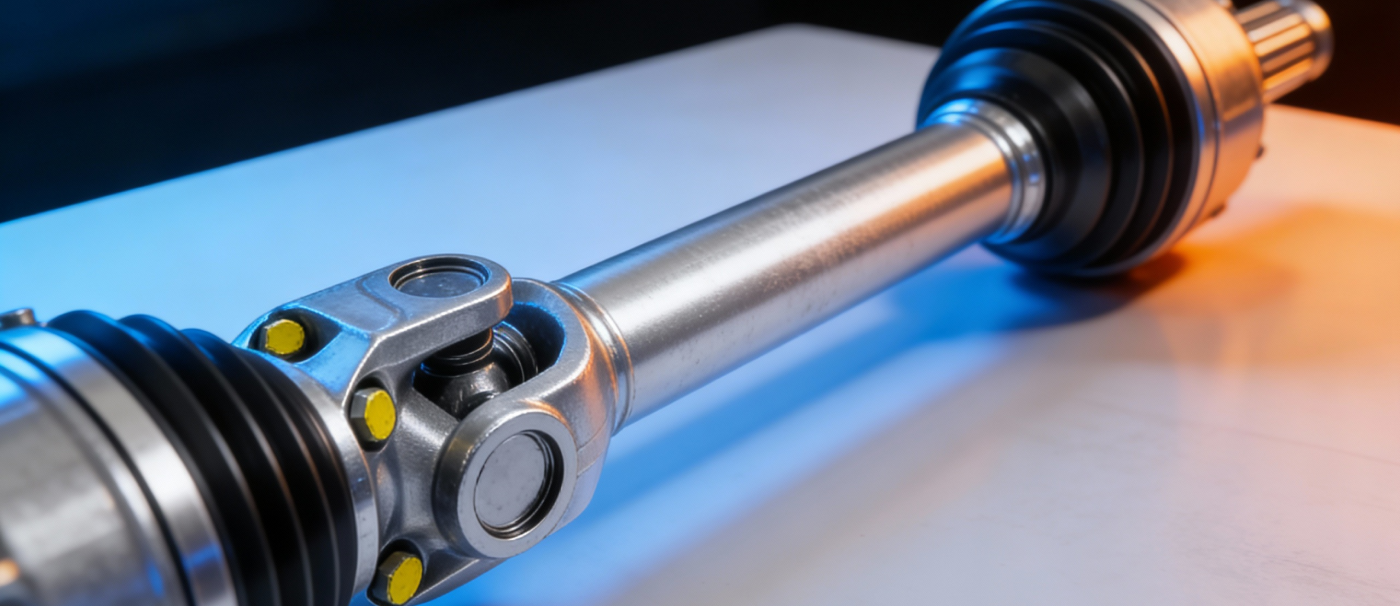




According to universal coupling manufacturers, couplings are common components in motor test systems. Ordinary users usually select couplings only by shaft diameter, but in fact there are many types, which should be chosen according to different application scenarios. Couplings are mainly classified into two categories: flexible couplings and rigid couplings.
I. Flexible Couplings
Flexible couplings feature a flexible, deformable component. When connecting two rotating shafts, they allow a certain amount of misalignment between the shafts and can deform dynamically during operation.
1. Plum Coupling (Jaw Coupling)
Plum coupling, also known as jaw coupling, is widely used. It consists of two metal jaw hubs and an elastic spider. The two metal hubs are usually made of 45# steel, while aluminum alloy is used when load sensitivity is required.
Since the elastic element provides cushioning and vibration damping, this coupling is widely applied in high-vibration conditions. The operating temperature range of the coupling is determined by the temperature limit of the elastic element, typically -35°C to 80°C.
2. Pin & Elastic Sleeve Coupling
This type of coupling uses pins made of various non-metallic elastic materials, which are installed in the flange holes of the two coupling halves to connect them.
It features simple structure, easy manufacturing, and convenient installation, disassembly and replacement of elastic elements without moving the two coupled shafts.
3. Bellows Spring Coupling
Bellows coupling is a thin-walled corrugated tube directly welded or bonded to the two coupling halves to transmit motion. It has a simple structure, small overall size, convenient machining and installation, and high transmission accuracy.
It is mainly used in low-power precision machinery and control mechanisms, featuring compact structure and high transmission precision.
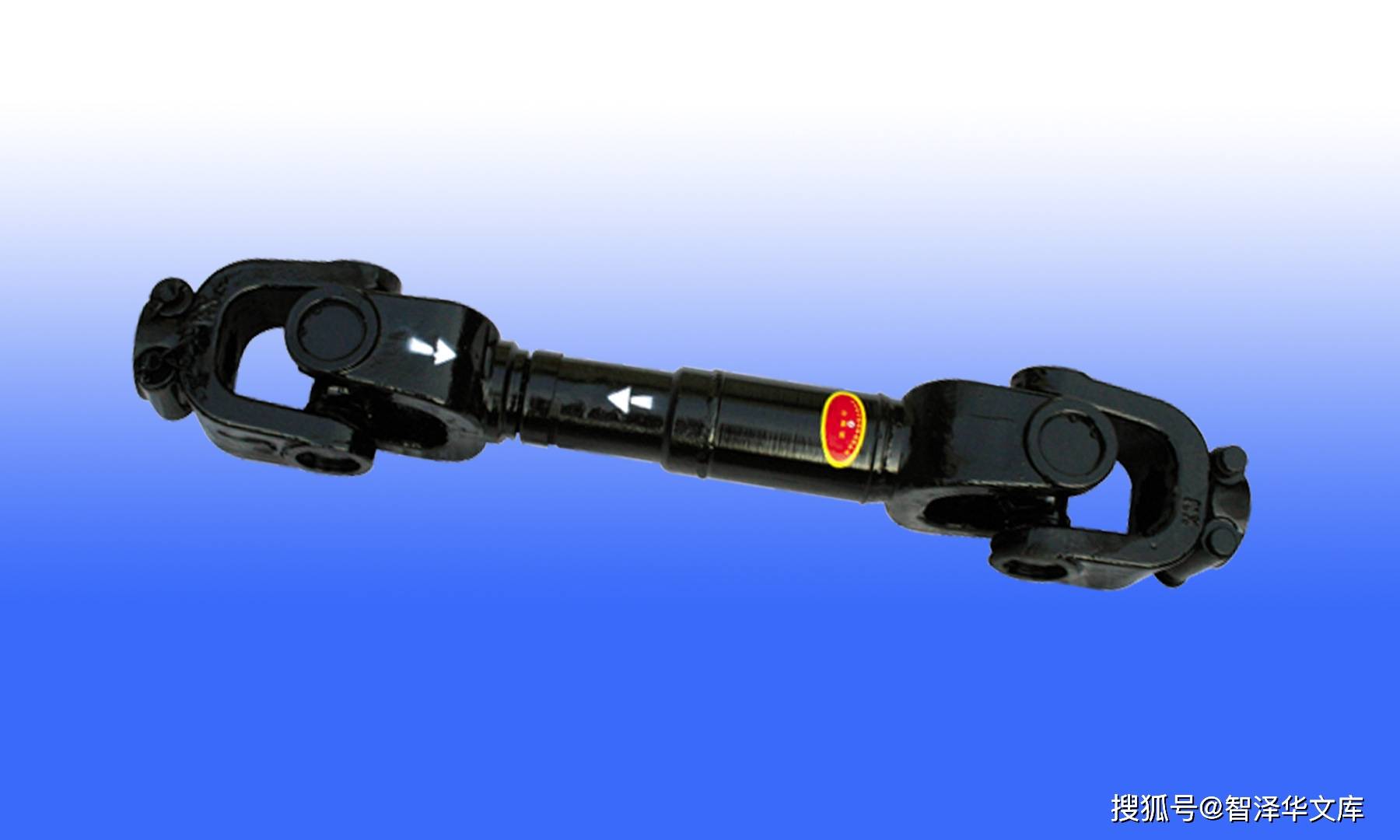
4. Universal Coupling
Universal coupling relies on the characteristics of its mechanical structure to connect two shafts that are not collinear. With an angular offset between the two shafts, it can achieve continuous rotation and reliably transmit torque and motion.
Main features:
• Large angular compensation capacity
• Compact structure
• Relatively lower transmission efficiency compared with other couplings
The allowable shaft angle varies with different structural types, generally ranging from 5° to 45°.
II. Rigid Couplings
As the name implies, rigid couplings are torsionally rigid. They maintain zero rotational backlash even under load, and rigidly transmit torque even when misalignment-induced loads occur.
Small rigid couplings offer the advantages of light weight, ultra-low inertia and high sensitivity. In practical use, they are maintenance-free, oil-resistant and corrosion-resistant.
Diaphragm Coupling
Diaphragm coupling compensates for the relative displacement of two shafts through elastic deformation of metal diaphragms. It is a high-performance flexible coupling with robust metal components.
Features:
• No lubrication required
• Compact structure, high strength and long service life
• Zero rotational backlash
• Insensitive to temperature and oil contamination
• Acid, alkali and corrosion resistance
It is suitable for shaft drives in high-temperature, high-speed and corrosive working environments. Structurally, it includes a safety function: when the actual load exceeds the preset value, the diaphragm will break to cut off power transmission, protecting the rest of the equipment from damage.
 Tel: +86-18838478091
 Email: Joe@hntxcd.com
 Add: South of Changqing Street, Economic and Technological Development Zone, Xuchang City, Henan Province