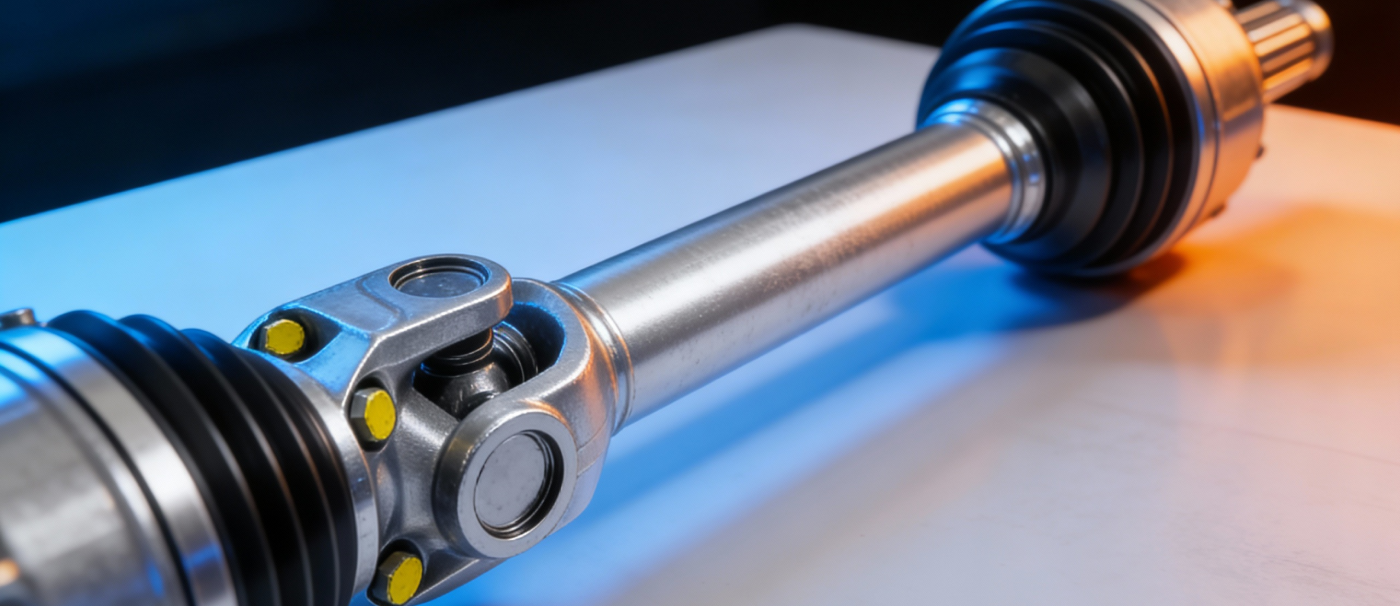




According to the supported drive shaft manufacturer, the drive shaft is a crucial component in the automotive transmission system for power transmission. Its function is to work with the engine, transmission, and drive axle to transmit power to the wheels, generating driving force for the vehicle. Composed of a shaft tube, telescopic sleeve, and universal joints, the telescopic sleeve can automatically adjust changes in distance between the transmission and drive axle. The universal joint ensures the flexibility of the angle between the transmission output shaft and drive axle input shaft, enabling constant-velocity transmission between the two shafts. As a high-speed, lightly-supported rotating body, its dynamic balance is critical.
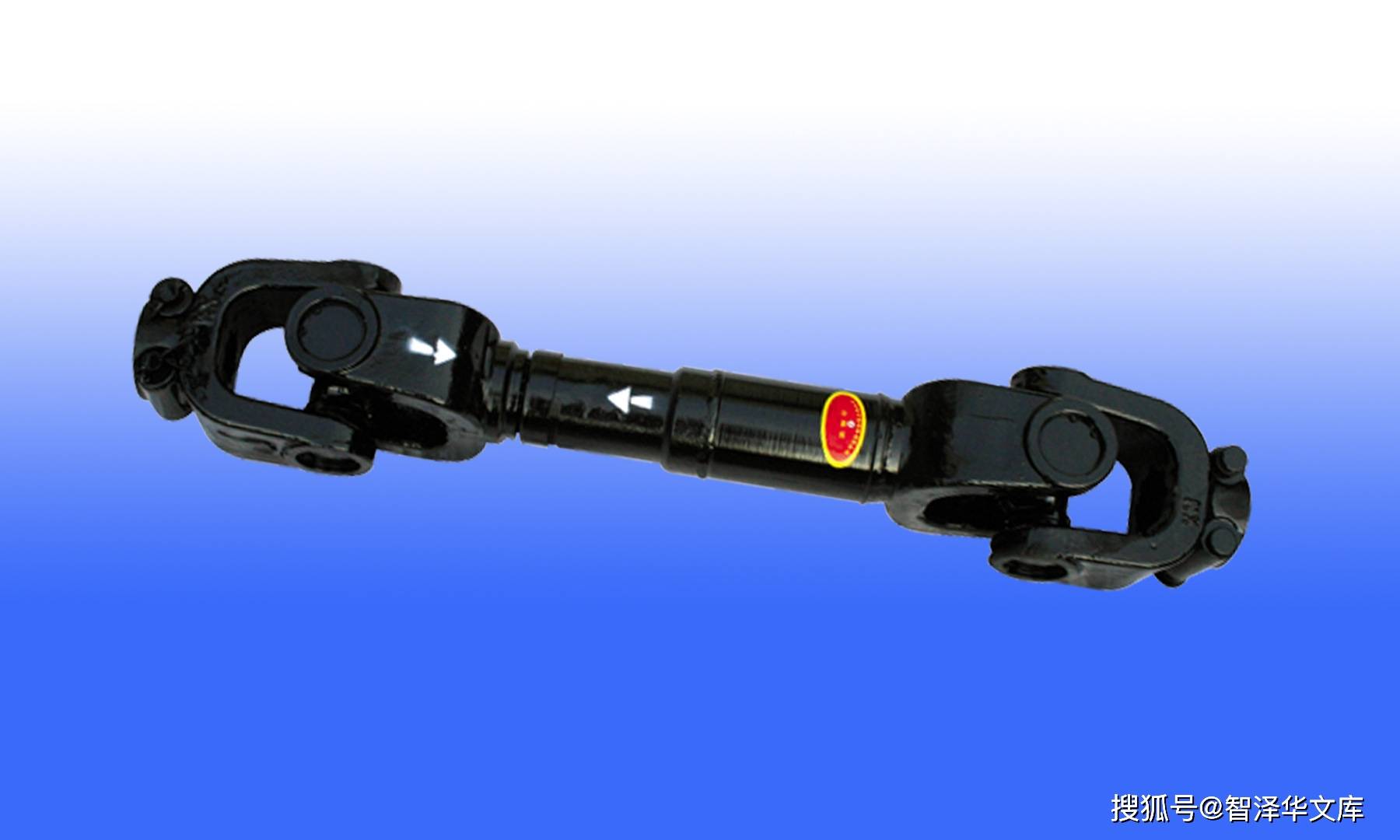
The manufacturer states that drive shafts generally undergo dynamic balance testing and adjustment on a balancing machine before leaving the factory. For front-engine, rear-wheel-drive vehicles, the drive shaft transmits rotation from the transmission to the final drive. It may consist of multiple sections connected by universal joints.
Most common heavy-duty trucks adopt front-engine, rear-wheel-drive configuration. They rotate with the output torque of the engine and transmission, and this force is transmitted to the rear axle via the drive shaft. Subsequently, the gears in the rear axle drive the half-shafts, which transfer power to the tires to generate wheel horsepower.
The main structure of the drive shaft includes a shaft tube, telescopic sleeve, and universal joints. Although the structure seems simple, it can actually withstand significant forces. The telescopic sleeve automatically adjusts minor distance changes between the transmission and drive axle. The universal joint guarantees the flexibility of the angle between the transmission output shaft and drive axle input shaft, realizing constant-velocity transmission. Notably, the longer the vehicle wheelbase, the longer the drive shaft, and the intermediate angle will also be adjusted accordingly.
A cross joint, as the name suggests, is a cross-shaft universal joint composed of a cross shaft, cross shaft bearings, flange yokes, and other components. In addition, there is a tubular sealing sleeve on the outer side of the drive shaft. Two oil seals are arranged on this sealing sleeve, forming a fully sealed and lubricated space for the telescopic sleeve. It not only prevents erosion by external dust but also the grease can enhance its operational strength and provide rust protection.
Since both ends of the drive shaft are connected to the output and input ends of the transmission and rear axle, considering the chassis structure, the transmission and rear axle are never on the same horizontal line. Meanwhile, the chassis structure of trucks is elastic, and the rear axle moves with the unevenness of the road surface. The wheels on both sides and the drive axle will bounce, resulting in a certain angle for the drive shaft's transmission. Whether static or dynamic, there are changes in motion and work done. Without the contribution of the drive shaft's universal cross shaft, adaptive adjustment cannot be achieved.
 Tel: +86-18838478091
 Email: Joe@hntxcd.com
 Add: South of Changqing Street, Economic and Technological Development Zone, Xuchang City, Henan Province